How to Improve Filtration Efficiency with Differential Pressure Monitoring
Unplanned shutdowns caused by clogged filters can cost thousands of dollars in lost production. In most cases, the warning signs were there for weeks in advance but went unnoticed without differential pressure monitoring. Filtration systems rarely fail suddenly. Instead, performance typically declines gradually and often goes unnoticed until efficiency losses begin to impact energy use, throughput, and equipment reliability.
For more than 60 years, Orange Research has manufactured U.S.-built differential pressure instruments for industrial filtration. Differential pressure monitoring for filtration provides a direct, real‑time indication of filter condition by measuring the pressure difference between the inlet (upstream) and outlet (downstream) sides of a filter.
Definition: Differential pressure (ΔP) is the difference between upstream and downstream pressure across a filter. Rising ΔP = increasing restriction = filter loading.
Put simply, differential pressure indicates how much resistance a filter creates as fluid or gas passes through it. As the filter becomes loaded with contaminants, the pressure difference increases. When installed correctly, differential pressure gauges for filtration eliminate guesswork and provide objective, repeatable data operators can trust.
Why Filtration Efficiency Matters in Industrial Systems
Filters protect pumps, valves, instrumentation, and product quality—making filtration efficiency a direct driver of system reliability. While scheduled maintenance has value, filtration efficiency monitoring allows operators to detect issues early and take corrective action before performance declines. In many industrial systems, filtration performance is closely tied to both flow and differential pressure conditions, making proper monitoring essential for maintaining efficiency and equipment protection. Understanding how differential pressure is used across different flow applications can also help guide instrument selection.
Monitoring differential pressure helps operators:
- Replace filters only when needed, avoiding premature or overdue changeouts
- Maintain optimal flow rates and system balance
- Reduce energy losses caused by excessive restriction
- Identify developing problems before they affect production
- Eliminate inaccuracies caused by comparing two separate pressure gauges
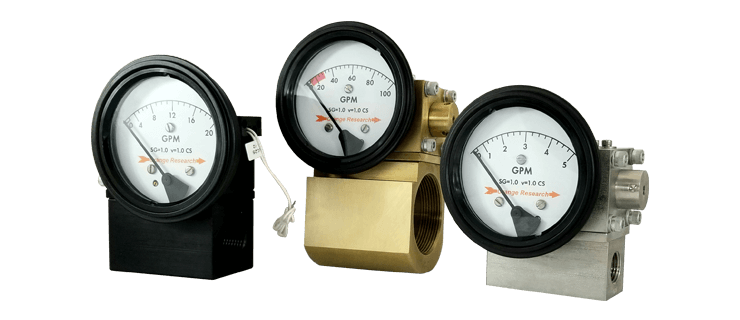
What Differential Pressure Tells You About Filter Health and System Performance
Filter differential pressure is the most reliable indicator of how a filter is performing under real operating conditions. As contaminants accumulate, differential pressure increases in a predictable pattern based on flow rate, viscosity, media type, and system design. Tracking these changes provides early insight into both normal filter loading and developing problems that would otherwise go unnoticed.
What Rising or Abnormal Differential Pressure Reveals
These patterns allow operators to interpret differential pressure trends in real time and distinguish normal filter loading from abnormal operating conditions.
- Filter loading and contamination buildup. A steady increase in differential pressure often indicates normal filter loading, helping operators distinguish expected performance changes from abnormal operating conditions.
- Sudden clogging or rapid loading events. Sharp spikes often indicate debris release, process upsets, or unexpected contamination.
- Improper filter sizing or media selection. A consistently high differential pressure may signal that the filter is undersized for the required flow or contamination load.
- Bypass conditions or element rupture. A sudden drop in differential pressure can indicate that fluid is bypassing the element or that the filter media has failed.
- Changes in clean differential pressure can reflect shifts in viscosity or temperature, helping operators distinguish process changes from true clogging.
Explore our range of differential pressure monitoring solutions.
Common Filtration Problems Identified Early with DP Monitoring
Continuous differential pressure filtration monitoring helps detect and prevent issues that can damage downstream equipment, including:
- Progressive restriction that reduces flow rates and increases energy consumption
- Sudden pressure spikes caused by slugs of debris
- Filter collapse or damaged media
- Incorrect filter selection for the application
- Bypass conditions that allow unfiltered fluid downstream
By providing real time, objective data, differential pressure monitoring eliminates guesswork and gives maintenance teams the earliest possible warning of developing problems—long before they impact pumps, valves, instrumentation, or product quality.
Differential Pressure Instruments Used for Filter Health Monitoring
Orange Research engineers help customers select differential pressure gauges and transmitters based on filtration requirements, operating conditions, and pressure ranges. The right choice depends on accuracy requirements and whether local or remote monitoring is needed.
Differential Pressure Gauges for Filtration
Mechanical DP gauges provide reliable, local indication without external power.
Orange Research offers:
- Piston‑type DP gauges for liquid filtration
- Diaphragm‑type DP gauges for liquid and gas applications
These gauges are rugged, suitable for harsh environments, and designed for long service life.
Differential Pressure Transmitters for Filtration
DP transmitters convert pressure drop measurements into electronic signals that can be transmitted to control systems, PLCs, or SCADA platforms for continuous monitoring.
Common uses include:
- Remote monitoring
- Alarm setpoints
- Integration with control systems
This enables centralized tracking of filtration performance and automated alerts when filters approach service limits. Transmitters are often selected when filtration systems are part of a larger automated process or when operators need visibility into filter condition from a control room rather than at the point of installation.
Comparison: Gauges vs. Transmitters
| Feature | Mechanical DP Gauge | DP Transmitter |
|---|---|---|
| Power Required | No | Yes |
| Monitoring | Local | Remote / SCADA |
| Best For | Simple, rugged applications | Automated systems |
| Cost | Lower | Higher |
While mechanical differential pressure gauges provide a simple, reliable visual indication of filter condition, differential pressure transmitters support remote monitoring, data collection, trending, and automated maintenance notifications. In many applications, operators use a gauge for local indication and a transmitter for centralized monitoring and control.
Orange Research offers both standalone gauges and gauge‑transmitter combinations to support a wide range of filtration monitoring requirements.
When Should Filters Be Replaced Based on Differential Pressure?
Time-based filter replacement is a blunt approach. Replace too early and usable filter life is wasted; replace too late and system performance and equipment protection are compromised. Filters should typically be replaced when differential pressure reaches the maximum level recommended by the filter manufacturer. Monitoring differential pressure allows operators to replace filters based on actual condition rather than a fixed maintenance schedule.
Replacement thresholds are based on:
- Maximum allowable differential pressure recommended by the filter manufacturer
- Acceptable flow loss for the application
- Energy efficiency considerations
- Sensitivity of downstream equipment
Most manufacturers specify this maximum as a multiple of the clean pressure drop—beyond which efficiency declines and energy costs rise. Condition-based replacement keeps filters in service for their full usable life without risking excessive restriction or sudden failure.
Filtration Applications That Benefit from Differential Pressure Monitoring
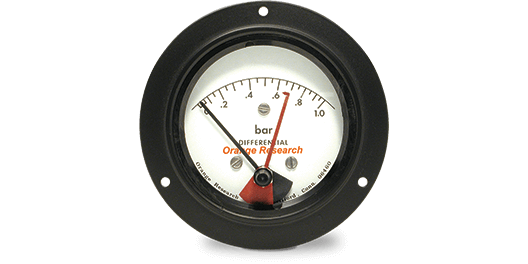
Differential pressure monitoring for filtration is used across a wide range of industrial systems, including:
- Industrial water and wastewater
- Hydraulic and lubrication circuits
- Chemical processing
- Compressed air and gas filtration
- Cooling and heat exchanger systems
- Upstream and downstream oil & gas
- Manufacturing machinery and process equipment
Across these applications, differential pressure provides a clear, repeatable measure of filter performance.
Using Differential Pressure Data to Optimize Filtration Performance
Differential pressure monitoring provides objective insight into filter health, enabling operators to:
- Improve filtration efficiency
- Reduce energy consumption
- Protect critical equipment
- Make smarter, data‑driven replacement decisions
With continuous monitoring, maintenance teams move from reactive responses to proactive maintenance planning. This improves system reliability while reducing unplanned downtime and maintenance inefficiency. Whether monitoring a simple filtration skid or an automated process system, selecting the right differential pressure instrument helps improve reliability, optimize maintenance intervals, and protect downstream equipment. Orange Research supports filtration efficiency monitoring with rugged, U.S.-manufactured differential pressure gauges, switches, and transmitters engineered for accuracy and long‑term performance.



 WARNING: Some of our products contain Nickel, a chemical known to the State of California to cause cancer. For more information go to: